My Little Library

In today’s classroom there has been an emphasis on improving reading scores. Reading has gone from a minor subject to the main focus in most classrooms K-2nd grade. Before college, I didn’t realize how important reading was in the classroom. It wasn’t until my sophomore year that it was brought into light for me. I took a class through Chadron State called “Teaching elementary/middle school language arts”. During this class not only did we learn how to incorporate language arts and reading into our classroom, but how important it was as well. One statistic our professor shared that stood out to me was that children in grades K-3 need to have at least 90% of their reading material non-fiction books. This is the exact opposite that most teachers encourage. Usually, teachers provide more fiction books because that’s what children typically would choose if given a choice. This brings me into my first point:

Having a proper selection of books

                Provided your students with a proper variation of books is so important. If you provide your children with non-fiction books that have interesting topics that are relevant to your students, they will be more likely to read closer to the 90% range of non-fiction books they need. As a teacher, we are sometimes required to find our own books for our classroom. This is beneficial, but difficult at the same time. Finding quality books that are cheap enough for teachers who are just starting can be pretty difficult. Some tips that I found are to keep your eye peeled in stores such as Goodwill and other second-hand stores. Even though the books are used, that is fine for the original development of your library. Also, make sure you double check the grade level of the books, so you have some that are appropriate for your grade level.

Organization

                Having some organization in your classroom library is also very important. If you have one big pile of books, on the floor, face down, your students will make it harder for children to find books that they would enjoy. There are a couple key things to make sure your little library as efficient as it can be! First, make sure that you have a place to display your books at your student’s eye level. Next, you need to have your books cover facing forward so they can see the title and the illustration on the front. Third, it is important that you organize your library in the way you want. You can arrange it alphabetical, by genre, by theme, the possibilities are endless.

Pinterest: A teacher’s best friend

                These topics are only a small, small fraction of what you need to know about books for reading and their organization. One thing I can say, is if you do a simple Pinterest search you can find hundreds and HUNDREDS of ideas of what kind of books to look for, the organization, and everything and anything you need to know about reading.

My Take On Digital Storytelling/DS106

Before this week, I had never heard of DS106 or digital storytelling. In the past I have been extremely skeptical of trying new things considering I have a hard time balancing what I already have on my plate. However, after looking on the DS106 website and twitter page I became optimistic. I really enjoy the creative outlet that the daily creates provide. Haven’t heard of DS106 or digital storytelling? No worries! I am here to help (or at least attempt to).

What is Digital Storytelling?

                Most of the sites that show up when you do a simple google search for “digital storytelling” uses the same definition. They state that “using digital tools so that ordinary people can tell their own real-life stories.” Digital storytelling is a broader aspect than DS106. Since digital storytelling is a new and emerging term, it is hard to find articles that are in depth and have a solid explanation.

clipart-library.com

What is DS106?

                DS106 (a form of digital storytelling) originated from an online course through University of Mary Washington that had an open-door policy. This means you can join whenever you like and quit whenever you like as well. The best part is it’s completely free. There are only a couple “requirements” listed is a computer, internet connection, a domain of your own, and creativity. They have even rolled out a class of DS106 that doesn’t even have a teacher. I think this is so cool because literally anyone can do DS106. Opening digital story telling everyone helps get a wide range of view points and experiences so you constantly get to see new things.

                After these past five days of doing the daily creates outlined on the DS106 twitter, I found this form of digital story telling motivating for me to use my imagination and spark some creativity. So far, I’ve used things such as pictures you draw, making audio recordings, and even taking original photography. Following the DS106 twitter and having a semi structured outline to follow really helped me go out of my comfort zone and try new things. If it was just up to me, I would use photography every day.

To Wrap It Up

                Overall, I think digital storytelling and DS106 are useful tools that everyone should try for a span of at least one week. I have already learned so much and found out so many interesting things. I look forward to the 15-20 minutes at night to log on and see what the daily creation is for the day.

Traditional or Flexible Seating? (Classroom management blog

As a future elementary teacher, I chose to spend my time this semester blogging about things that will help me in the future. My topic will be “my future classroom” which I will focus on one part every week. For example, this weeks post will be on classroom organization. I have followed a lot of Pinterest boards that constantly give me inspiration to write down ideas in my notebook to save for later. Having a blog will help me keep all my ideas in one place!

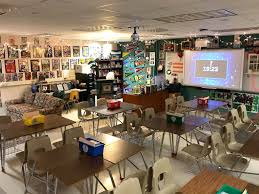
What is flexible seating? Flexible seating is when students do not have assigned areas they need to sit. A lot of classrooms that use flexible seating even have alternatives to desks such as couches or bean bags. There are many pros and cons to this method. Some of the pros are that it gives children more freedom and it makes it feel like they have control.

Amber Chandler via kqued.org

Traditional seating is pretty self explanatory. It is the regular seating where they use desks and chairs. Some classrooms have assigned seats while others have free seating, but they still must use the desks. Most classrooms that I have experienced are traditional. This technique has generally been proven successful, but there are exceptions especially when children will talk to anyone they sit by.

Image result for traditional seating schools
https://schsenglish.wordpress.com/

Seating is a common dispute in your first years teaching. The main reason people don’t support flexible seating is the aspect of classroom management and keeping students engaged so it might not be something you want to try until you have found your ground. Students tend to take advantage of teachers if they don’t have their set expectations and hold the students to it. For example, at the school I did my observation and participation at had one classroom that was flexible seating. When I first started going, the teacher in that classroom was on maternity leave and needless to say the substitute teacher was struggling. Not only did she not have control over the students, but one even got kicked in the face and hurt pretty badly when another student jumped the couch.

One thing that you could do is bring a mixture of the two together. There are classrooms that I’ve seen where they have desks for students to work at and still have couches and bean bags to the side as well. This is perfect to set the mood for a relaxed learning experience.

edutopia.org

No matter what type of seating you choose to use, just make sure you’re still providing an effective learning environment. If you choose to use flexible seating, also think about the extra amount of work you will have to put in. Seating is just one small section of classroom management so be prepared for the next blog in this series about reading material organization strategies!

Hackschooling: The Future of Education?

While watching Logan LaPlante’s TEDx talk “Hackschool makes me happy” I really got to thinking. Is our current education system working efficiently? Are we just forming all of our students into a single mold? Do we take advantage of our student’s strengths and weaknesses? All of these questions are hard to answer since this topic is controversial and full of opinions rather than facts. One thing that I can say is our current education system needs work, and that is coming from someone who is a future educator themselves.

What is “hackschooling”?

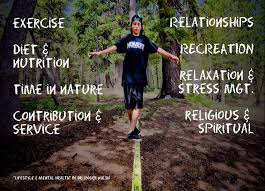
Hackschooling is a term coined by Logan LaPlante and his family. When Logan was 9, they left the traditional schooling system and began to do homeschooling. Logan was still learning the basics such as math, English, science, and writing that teachers teach in a school. What makes hackschooling different is it gave Logan time to work on his health and happiness, two things he pointed out a lot of kids are lacking. In his TEDx talk, Logan pointed out 8 key characteristics that contribute to happiness and health in the general population. These characteristics include exercise, diet and nutrition, time in nature, contribution and service, relationships, recreation, relaxation and stress management, and last but not least religious and spiritual involvement.

Logan LaPlante/TEDx

None of these surprised me, but what did bother me is that so many of them are ignored or even banned in schools. For example, a lot of schools now will not let children celebrate religious holidays. They’re turning “Merry Christmas” into “Happy Holidays” and restricting children’s use of the bible among other religious texts. I know this isn’t all schools, but the ones who are take away 1 out of 8 of the key things to make a person happy.

Another thing traditional school lacks on is keeping the children’s stress levels low. We are constantly assigning work sheet after worksheet and test after test. All children are expected to test high and the pressure can be just ridiculous. I have seen Kindergarten classrooms assign over 2 hours of homework every night after spending 8 hours in the classroom all day. If you do the math there are 24 hours in a day minus the 10 hours spent on school work leaves them with 14 hours. If you take away the 8 hours they need to sleep, only 6 hours remain. That leaves 5-6 year old children with 6 hours to eat, bathe, play, and spend quality time with family.

Don’t get me wrong, I think school is very important for a child’s development, I mean I am one semester away from teaching it myself, I just think we need to figure out ways to manage the time we have at school and incorporate the 8 needs talked about into the school day. Homeschooling isn’t the best answer for everyone. A lot of children who do school at home lose the ability to socialize with children their own age. Even as a person in their 20’s it doesn’t surprise me if someone who has strange social skills admits they were homeschooled. That is why we need to assess it with a hacker mindset.

Logan LaPlante/TEDx

Overall

Hackschooling opens up education way beyond four walls. Logan talked about going to different camps, meeting inspirational people, and even doing some cool science experiments that a lot of children in today’s traditional schools won’t be able to experience. To me, hackschooling is a very interesting idea that I hope we can work with and incorporate in traditional school systems to get the best of both worlds.

Digital Literacy

Hey everyone! This week’s assignment is to talk about digital literacy. After spending about an hour researching and looking at the provided questions, here is the result!

What does digital literacy mean?

Digital literacy is the ability to properly use various digital platforms. This includes everything from their grammar to adding images and audio while using technology. Digital literacy is seen as a stepping stone from traditional forms of literacy. In today’s society digital literacy is more important than ever, and honestly the importance will keep growing. The platform for technology and the need for digital literacy is moving into schools more and more.


What is digital fluency?

Digital fluency is the ability to interpret, design, and communicate ideas on a digital platform. How I see it is digital literacy is the process/product and digital fluency is what you do with the information.


What are the essential elements of digital learning or digital literacy?

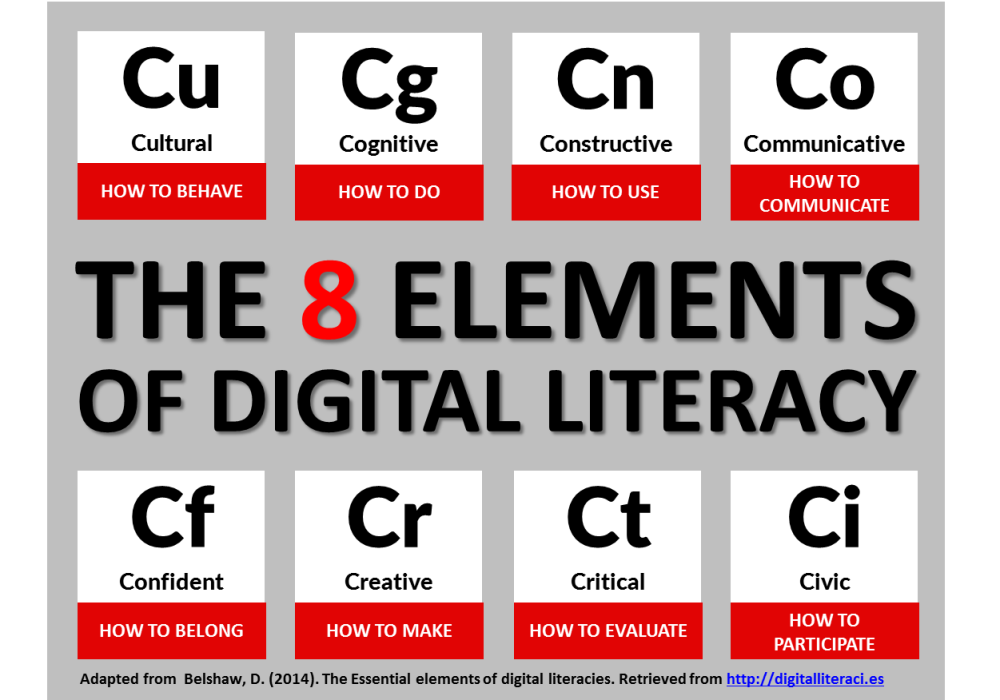
There are 8 essential elements of digital literacy. Luckily, they all start with C’s so they’re easy to remember. They include cultural, cognitive, constructive, communicative, confident, creative, critical, and civic. I found a really picture that really that puts the 8 essential elements into a table. This makes it easier for me to remember because I connect it to the periodic table.

Belshaws Elements 3 words


What do you think you already know how to do very well when it comes to digital literacy?

Honestly, I do not know much when it comes to digital literacy and the social media and blogging platforms. I’ve always had them, but never really used them to the extent we are in #diglitclass. I have been growing slowly and figuring things out this week. Growing up, we really had no time with technology. Even in high school, we only had laptops my senior year and we only used them for research and minimal assignments were typed. I had never even looked at a blog until this year.


What do you want to learn?

I hope to learn the ins and outs of blogging. This last year I have found multiple blogs that cover everything from education to cooking. One of my main goals after this class is to start a blog about the struggles and giving others an idea what to expect. I also hope to learn how to use forms of digital literacy in my future classroom because I really do believe it is so important.


What do you expect to learn?

I expect to learn a lot this semester. This first week looking at the editing side of the blog has my mind blown. I got so lost in all of the different things needed to make our format look presentable that I still don’t feel like I’m half done. I also really enjoyed the TED talk this last week and hope we get more videos like this.

5 Key Moments In My Life As A Learner

Blogging is a little out of my comfort zone, but I am entering this with an open mind. I’ve never felt very confident in my writing. Even in my composition class I freaked out every time I turned something in. I have been working on writing more to build confidence and this class is the perfect opportunity. This blog post is going to focus on 5 key moments that have got me to where I am now.

1. Developing An Understanding Of Learning

Learning is a complex subject. Every single person has unique ways that they learn best and everyone is different. As a future educator, understanding how learning works is key. I was lucky enough to have several amazing teachers as I went through elementary school, middle school, high school, and even into college. Each of these teachers have shaped me into the learner I am. Not only have these teachers made an impact on my life, but I have had several experiences help me as well.

Image result for question mark
Question Mark: freepik.com

2. Kindergarten

Before I went to Kindergarten, I was so shy I didn’t even want strangers to look at me. There was a brief period in Kindergarten where my parents were contemplating pulling me out and waiting another year because I seemed so far behind the other students. Little did they know it took ONE conversation from my amazing teacher Mrs. Brester to change my whole outlook on school. One day when I was at an all time low, she took me aside and looked me in the eyes and told me that I was smart and talented. Even though my parents had always told me that, I needed someone who wasn’t family to reinforce my confidence. After that, I was a whole new student. It speaks leaps and bounds that at 21 years old, I remember a conversation that happened when I was 6.

Shy bunny
Shy Bunny: https://www.tumblr.com/tagged/shy-bunny

3. Jumping Obstacles

Fourth grade was a hard year for my learning career. We went in knowing we had the meanest teacher and two kids even transferred in order to not have this teacher. The first week of school there were many tears, but we slowly learned that the teacher did all of these things for the betterment of us as learners. Throughout the course of the year, we all had more motivation to get work done and had higher grades than the year before. Not all learning experiences are enjoyable, but if we stick with it we can improve our learning skills.

Image result for jumping obstacles cartoon
Overcoming Obstacles: https://www.affordableagility.com/misc/heights.htm

4. Rodeo Queen

I spent two years going around the region representing my hometown’s PRCA rodeo. During these two years, I learned so much more than just rodeo knowledge. The amount of life lessons this taught me was unbelievable. Meeting some of rodeo’s biggest names and listening to their stories of how they became so successful was an experience like no other. It gave me the inspiration to help others learn and become a teacher.

5. College

Coming to college was a learning experience for me. I come from a small town where I only had 6 kids in my class that were together all day from Kindergarten on. Even though most see Chadron as a small town, it was huge to me. Meeting new people and having a vast majority of instructors really broadened my horizons when it came to learning. I gained a whole new level of motivation when it came to my education. I went from not caring to striving for straight A’s.

Image result for chadron state college
csc.edu

Conclusion

Overall, there are many experiences that shaped me into the learner I am today. The ones I shared today are just a small percentage of what has happened to me. Hope you guys enjoyed my first go at blogging!